|
Comprehensive
Early Literacy Learning-CELL
CELL (PreK-3) helps primary teachers learn how to use the framework
effectively in their classrooms and how to integrate the individual
elements into an overall system of classroom instruction. Oral language
is the foundation for all of the elements of early literacy learning.
The dialogue, discussion, verbal interaction, and active oral engagement
of each student are stressed as each of the framework elements is
used. Knowledge of the structure of language is known to increase
with communication that occurs surrounding the literature that is
read aloud and the themes that are studied across the curriculum
of the classroom. The practice of oral language and the development
of new vocabulary through discussion and reading from a broad range
of text types are reciprocal in nature. Skills development is also
emphasized across each of the framework elements. Emergent readers
must have the opportunity to develop phonemic awareness and to practice
phonological strategies and decoding skills. These skills are best
acquired in the context of meaningful activities and should be given
extensive practice by reading quality literature and engaging in
authentic writing activities.
Extended Literacy Learning-ExLL
ExLL (Grades 3-8) training supports intermediate teachers in
learning how to effectively teach reading and writing to
students with a wide range of ability levels in the intermediate
grades. It also helps teachers learn how to integrate their
teaching methods into a seamless curriculum of classroom
instruction. The active engagement of each child is stressed
with verbal interaction and reading and writing activities
taught across the content fields. Knowledge of the structure
of the language, new vocabulary and concepts are developed
through literature and content study in the curriculum. Ongoing
skills development at a higher level of phonological analysis
is balanced with systematic, direct instruction of decoding
and comprehension for struggling readers. Students are given
extensive practice by reading a wide range of fiction and
nonfiction books and engaging in authentic writing activities
in all content areas.
Second Chance at Literacy Learning
Second Chance (Grades 6-12) supports improved teacher practices
in secondary schools. Second Chance takes into consideration
the differences in the school schedule typical in Grades
6-12. Best classroom practices in reading and writing as
well as small group intervention for struggling readers in
secondary classrooms are used to meet state and district
content standards. In addition, extended practice and increased
attention is given to comprehension and fluency, higher-order
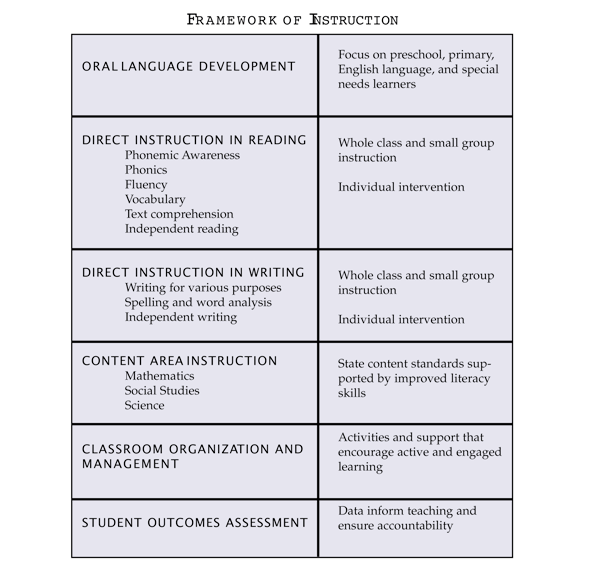
thinking skills and motivation. Effective implementation of a schoolwide
change model includes the use of a framework to support classroom
instruction. This framework encourages the alignment of teaching
methods and content standards within and across grade levels.
Oral language development is supported for all learners with
specific focus on young children and those who are English language
learners or who have special learning needs. Teaching in both
reading and writing is direct and based on scientifically based
areas of critical instruction. Content area standards are addressed
with increased access for students by improving their literacy
skills.
|